

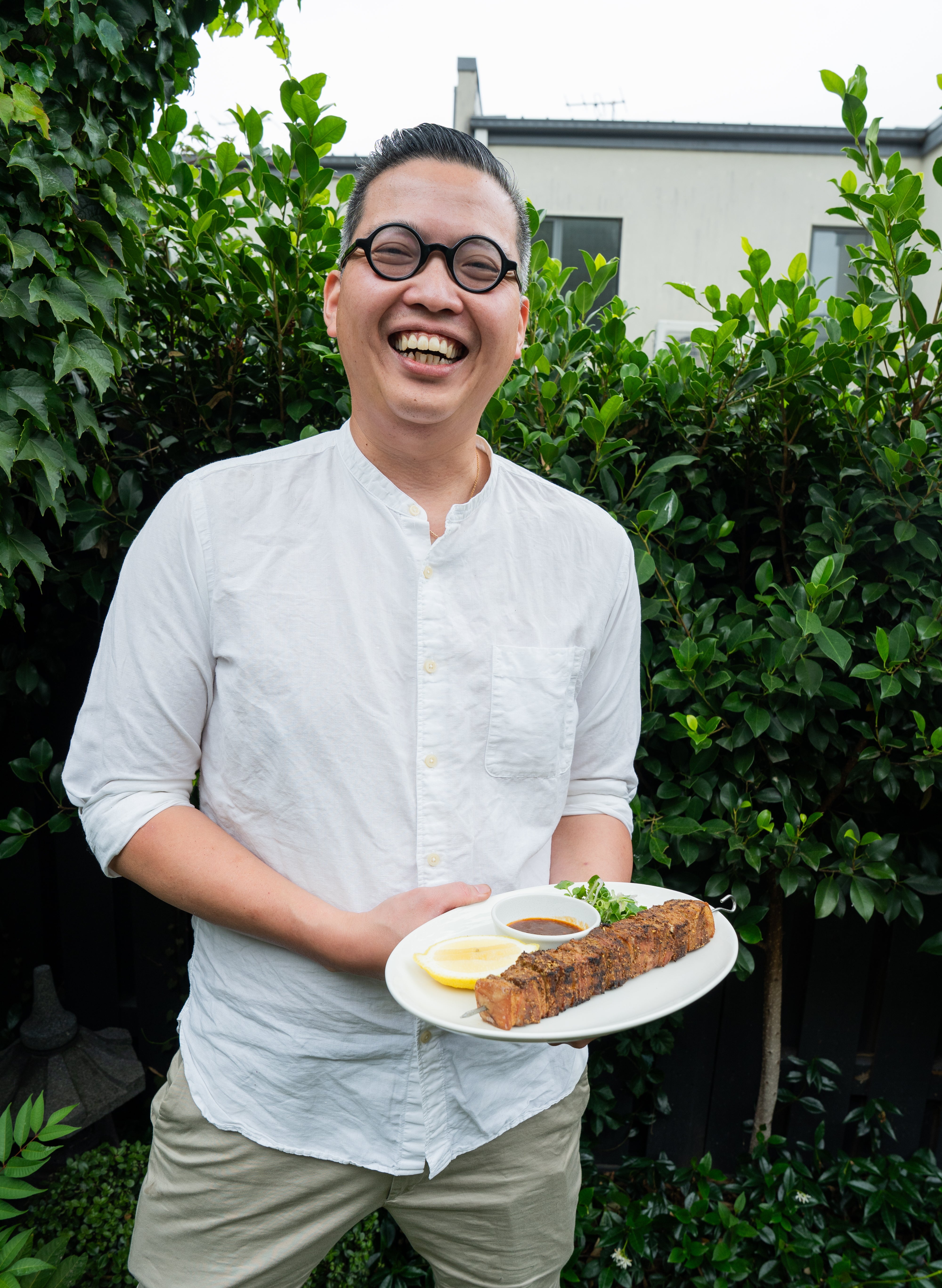

Kamado Smoked Beef Short Ribs With Coffee BBQ Rub

Beef short ribs and coffee feel like they have always known each other. The deep, buttery richness of plate ribs meets the roasted bitterness of coffee, building a bark that is dark, crisp and full of character.
Cooked low and slow on a kamado barbecue, this is the kind of cook that rewards patience at the grill. The result is a showpiece rack that sits comfortably between pub hero indulgence and chef level finesse, with a generous, deep flavour that impresses when it lands on the table.
This guide covers the full plan for kamado smoked beef short ribs with coffee BBQ rub: the right cut, a dialled in coffee rub, kamado setup, spritzing science, wrapping, doneness, resting and service. It also covers coffee grind choice, airflow control on a ceramic cooker, yield and holding for service, and a game day timeline.
Choose the Right Ribs
Not all beef ribs are equal.
- Ask for plate short ribs (sometimes called 123A, chuck short ribs or dino ribs). A full 3 bone rack usually weighs 2.5 to 3.5 kg and carries serious marbling.
- Avoid back ribs (130 cut). They look big but have less meat between bones.
- Look for even height across the rack with a fat cap you can trim to an even 5 to 8 mm.
- Leave the tough underside membrane on for cook stability, then remove after the rest if you prefer a cleaner bite.
Why Coffee Rub Works on Beef
Coffee brings gentle bitterness, roasty aromatics and colour. The key is balance.
- Coarse grind reduces surface bitterness and avoids a gritty bark. Fine espresso grind tends to taste harsher on long cooks.
- Coffee tannins and sugars accelerate browning, helping bark set without scorching at typical kamado temps.
- Pair coffee's bitter notes with brown sugar, black pepper and warm spices for a rounded crust.
Coffee BBQ Rub Recipe
Enough for one 3 bone rack (scale as needed).
| Ingredient | Amount |
|---|---|
| Kosher or flake salt | 30 g |
| Coarse ground coffee (plunger/French press grind, medium dark roast) | 25 g |
| Coarse black pepper | 20 g |
| Dark brown sugar or demerara | 20 g |
| Smoked paprika | 10 g |
| Garlic powder | 8 g |
| Onion powder | 6 g |
| Ground coriander | 4 g |
| Cayenne or chilli powder (optional) | 2 g |
Mix well. For a cleaner, more savoury profile, halve the sugar. For a deeper coffee note without extra bitterness, swap 5 g of grounds for 5 g of instant coffee crystals.
Set Up Your Kamado Smoker
A kamado locks in heat and moisture, which helps ribs render gently and keeps bark from drying out. If you are new to ceramic cookers, think small fire, stable vents and patience.
- Fuel: fill your firebox two thirds with quality lump charcoal. Nestle 3 to 4 chunks of wood through the bed so smoke releases across the cook.
- Deflector: fit the platesetter or convEGGtor for indirect heat. A drip pan underneath with a splash of water is optional, kamados already run humid.
- Target: 120 to 135°C at grate level. Start with the bottom vent open 2 to 3 cm, top cap petals just cracked. Make small adjustments and wait 10 minutes between changes.
- Airflow tip: keep the dome thermometer honest. Use a grate probe for accuracy and avoid chasing temps.
Think of your kamado as a kamado smoker and you will focus on steady convection, clean smoke and minimal lid lifts.
Step by Step Cook
-
Trim and bind. Square off thin edges. Level the fat cap to 5 to 8 mm. Lightly oil or use a thin smear of mustard as a binder.
-
Season generously. Apply rub on all sides. Rest at room temp 20 to 30 minutes while you stabilise the cooker.
-
Smoke setup. Aim for 120 to 135°C. Add wood chunks once the charcoal is burning clean (thin blue smoke, not billowing white).
-
Load ribs bone side down. Place centrally, shut the lid and let the bark start to set before spritzing.
-
Spritz schedule. First spritz at around 90 minutes, once the surface looks dry and the rub has bonded. Use a fine mist to avoid washing off rub or steaming the meat. Repeat every 45 to 60 minutes.
-
Wrap, boat or ride it out. Decide once bark is a deep mahogany and feels firm to the touch, typically at internal 75 to 80°C.
-
Finish by feel. Probe tenderness matters more than temp. Expect 93 to 98°C internal when it feels like warm butter between bones.
-
Rest generously. Vent the steam for 5 minutes, then wrap in butcher paper or foil and hold in an insulated esky or warm oven (60 to 70°C) for 1 to 3 hours.
-
Slice and serve. Remove the underside membrane if you left it on. Slice between bones. Serve with pickles, white bread or slaw.
Spritzing Science and Best Practice
A light spritz keeps the surface just supple enough for the smoke to cling, helping colour build evenly while the rub sets into a deep, even crust without burning. On a kamado, it is a small, steady act of care that encourages balance in the cook, where bark forms patiently and flavour develops with control. Done well, it adds a subtle tang that balances rich beef.
Spritz recipe that loves coffee rub
1 cup water plus 1 cup apple cider vinegar is a classic. For a coffee pairing, swap half a cup of water for chilled black coffee or cold brew. Shake before each spray.
Benefits
- Encourages smoke to stick to a slightly damp surface.
- Helps maintain a supple bark with a tender interior.
- Moderates surface temperature to avoid over darkening.
Best practice
- Fine mist only. Too much liquid can lift the rub and soften that carefully built bark.
- Delay your first spritz until bark starts to form, about 90 minutes.
- Limit to 4 to 5 total spritzes. Around 8 to 10 pumps per rack each time is plenty.
- Every lid lift and spritz cools the cook and can add minutes. Stay patient and consistent.
Keep spritzes light and infrequent, or switch to a paper wrap once colour is set.
Wood Choices in Australia
Beef ribs love medium strong smoke.
- Ironbark or red gum: bold and classic, great for a Texas style profile.
- Pecan: nutty sweet, a touch softer than hickory.
- Apple or cherry: gentle fruitwood to round out a heavier base wood.
- Post oak: if you can get it, it is the gold standard for beef ribs.
Use 3 to 4 fist sized chunks. Clean, thin blue smoke beats heavy white smoke every time.
Wrap, Foil Boat or Unwrapped?
Each method shapes the bark, adjusts texture and shifts the timing of the cook. Choose your path once the colour turns a deep mahogany and the bark feels set to the touch.
| Method | Effect on bark | Best used when |
|---|---|---|
| Unwrapped | Maximum bark, longest cook | Humidity is high and temps are steady |
| Butcher paper wrap | Preserves bark while nudging through the stall | You want a balance of juiciness and bite |
| Foil boat | Captures rendered fat for basting without smothering the crust | Kamados, where humidity is already high |
Doneness, Resting and Slicing
- Doneness: ignore a single magic number. Probe between bones, it should slide in with little resistance. Most racks finish around 93 to 98°C internal.
- Rest: 1 to 3 hours makes a big difference. Hold wrapped in an esky or warm oven. This step relaxes collagen and redistributes juices.
- Slice: go between bones. For platters, brush with a little of the rendered fat from the foil boat or a warm beef stock glaze to gloss the cut surface.
Serving Ideas That Honour the Bark
- Pickled cucumbers, raw onion and soft white bread for a classic nod.
- Slaw with citrus dressing to cut richness.
- Chimichurri or salsa verde for herb lift.
- A restrained espresso molasses drizzle: 2 tbsp molasses, 2 tbsp brewed coffee, 1 tbsp apple cider vinegar and a pinch of salt, simmered 2 minutes and painted on lightly.
Troubleshooting and Quick Fixes
| Issue | Fix |
|---|---|
| Bark too dark too soon | Nudge temp down 10°C, spritz lightly and consider a paper wrap. |
| Bitter coffee flavour | Use a coarser grind next time, reduce coffee by 20%. Avoid burnt smoke and keep vents clean for clear combustion. |
| Dry edges | Foil boat earlier or move the rack away from hot spots. Check the gasket seal and deflector placement. |
| Long stall | Stay the course at steady temp, or paper wrap at 75 to 80°C internal. |
| Smoke too strong | Use fewer wood chunks. Prioritise thin blue smoke and avoid smouldering logs. |
For Chefs and Hospitality Buyers
Scale with confidence and keep service tight.
- Yield: raw to served yield on plate short ribs is typically 60 to 65%. Plan 350 to 400 g cooked meat per guest for a generous serve.
- Holding: after doneness, hold wrapped at 60 to 65°C for up to 4 hours. Vent steam 5 minutes before wrapping to protect the bark.
- Reheat: for next day service, chill whole wrapped racks rapidly. Reheat covered at 135°C with a splash of beef stock until probe hot, then hold.
- Rub and allergen note: coffee is a declared ingredient. Prepare rubs in advance, store airtight and label clearly. A 1 kg batch seasons roughly 10 full racks.
- Line speed: slice to order between bones, serve with a small ramekin of pickles and a bright herb sauce to manage richness.
Your Game Day Timeline
Lock in the plan so you are with your mates at bounce, not chained to the lid.
| Time | Task |
|---|---|
| T-24 to T-12 hrs | Trim, mix rub, season lightly or leave rub until morning. Prep spritz in a clean bottle, refrigerate. |
| T-6 hrs | Light the kamado and stabilise at 125 to 130°C. |
| T-5.5 hrs | Load ribs bone side down, close the lid. |
| T-4 hrs | First spritz. Check colour and vent stability. |
| T-3 to T-2 hrs | Optional wrap or foil boat once bark is set and mahogany. |
| T-1 hr | Start probing for tenderness. Adjust by feel, not just temp. |
| T-0.5 hr | Vent steam briefly, then wrap for the rest. |
| Kick off | Slice and serve, keep the remainder wrapped and holding. |
What Most Guides Miss
- Coffee grind size changes flavour. Coarse grinds give you roasty without harshness on long cooks.
- Kamado airflow is subtle. Make small vent moves, then wait. Chasing temps is how bark gets patchy.
- Foil boating on a ceramic cooker is a cheat code. You keep bark intact and baste with rendered fat without steaming.
- Resting is non negotiable. The most dramatic difference in juiciness happens in the hold, not on the grill.
Ready to dial in your setup, rub balance and spritz routine for short ribs that truly stand out? If you would like guidance on products, technique or choosing the right cooker, contact us and our team will help you get everything just right.
